Denpa · Article · Manifesto · Draft two · 2026-11-09
The operator writes the job now
The Denpa manifesto, second draft. Fan lore and operator lore after Henry Jenkins, three verbs after Fluxus, and the plan.
The thesis
Operators were invented to fit into media systems. Now we define the new media operators.
Switchboard, camera, broadcast: each operator’s job was shaped to serve a machine someone else owned. The fan was told to sit still and watch. Henry Jenkins spent thirty years showing that fans never did. Denpa is where both lores meet.
The manifesto · after Fluxus
PURGE the world of the operator who was built to fit the machine: the switchboard hand, the invisible crew, the person placed in the studio.
PROMOTE the operator who builds the room: who curates, calls it first, keeps the record, and says no to another chair.
FUSE the fans and the operators into one living front, poachers, participants, collective intelligence, so that the crowd becomes the signal.
Structure after George Maciunas’s Fluxus Manifesto (1963). The words are ours.
Fan lore · after Henry Jenkins
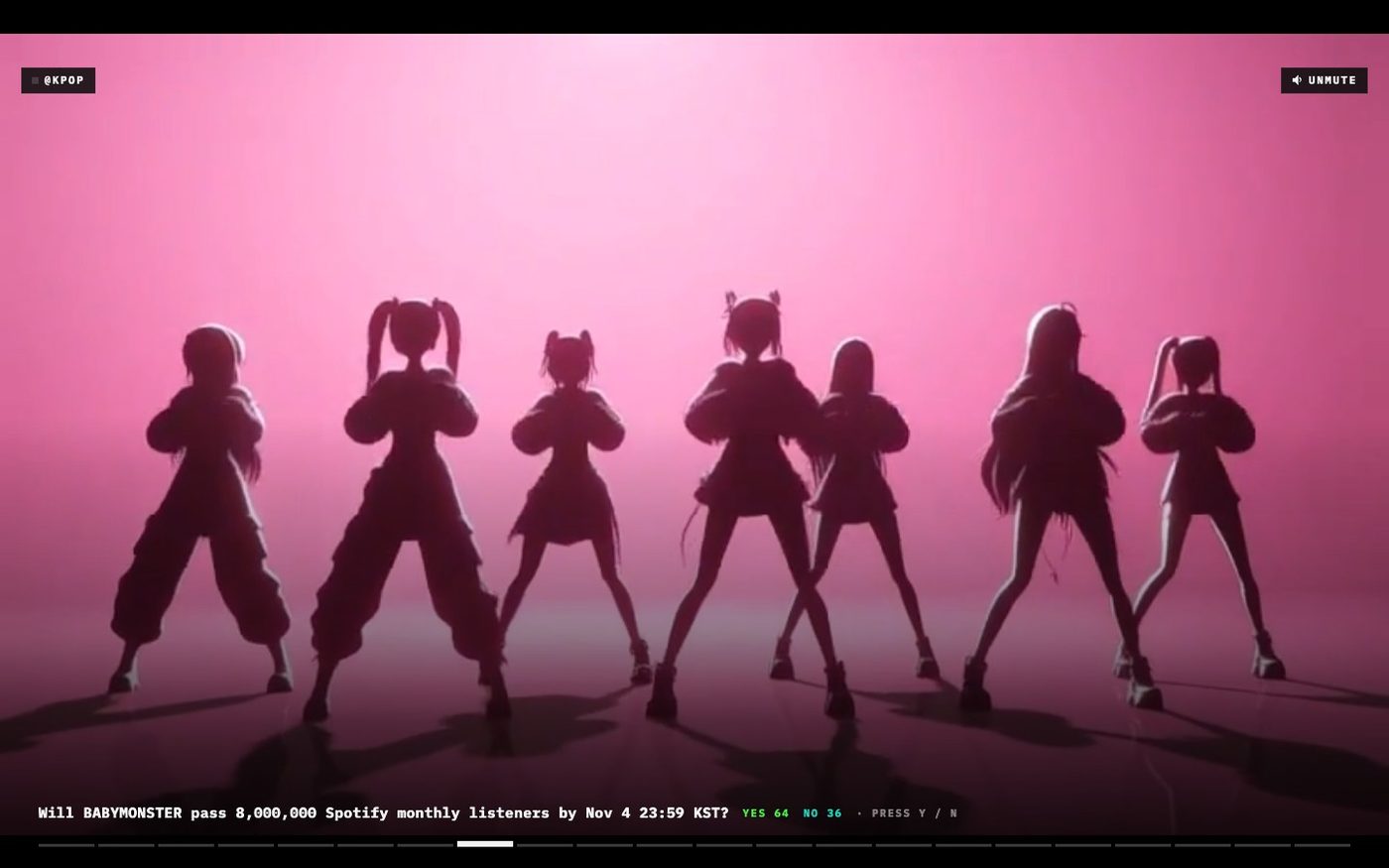
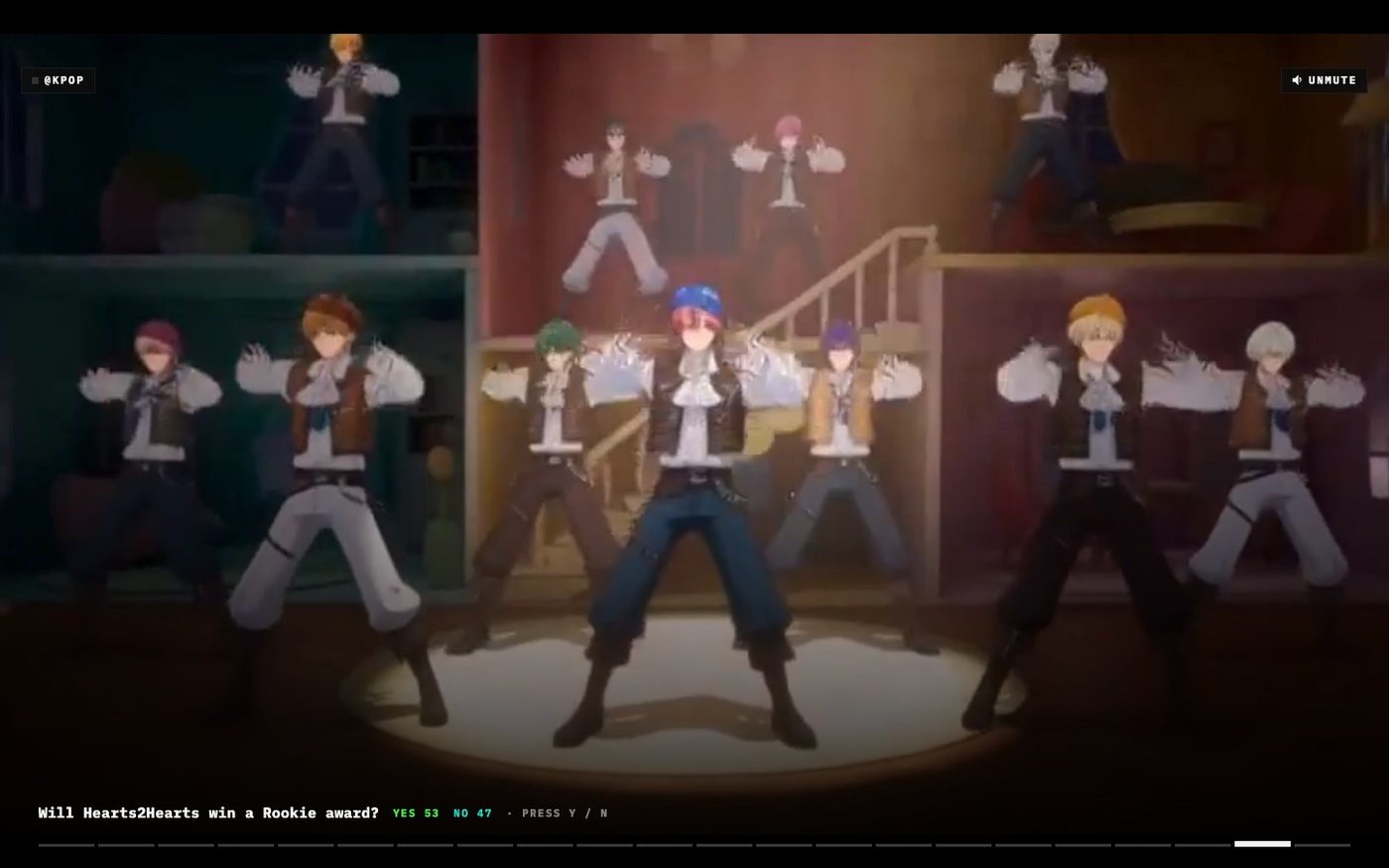
- 01Textual Poachers · 1992Jenkins's first book. Fans are readers who raid the text and build with the pieces.
- 02Participatory CultureLow barriers, shared work, and the belief that your contribution matters.
- 03Collective Intelligence · 1994Pierre Lévy, borrowed by Jenkins: no one knows everything, everyone knows something.
- 04Convergence Culture · 2006Media leaves the box and flows across every screen. Fans carry it.
- 05Spreadable Media · 2013Jenkins, Ford and Green: if it doesn't spread, it's dead. Value is circulation.
- 06Fans Who Call ItOurs. The fan whose judgment is on the record before the result.
Operator lore · from the switchboard to the new media operator
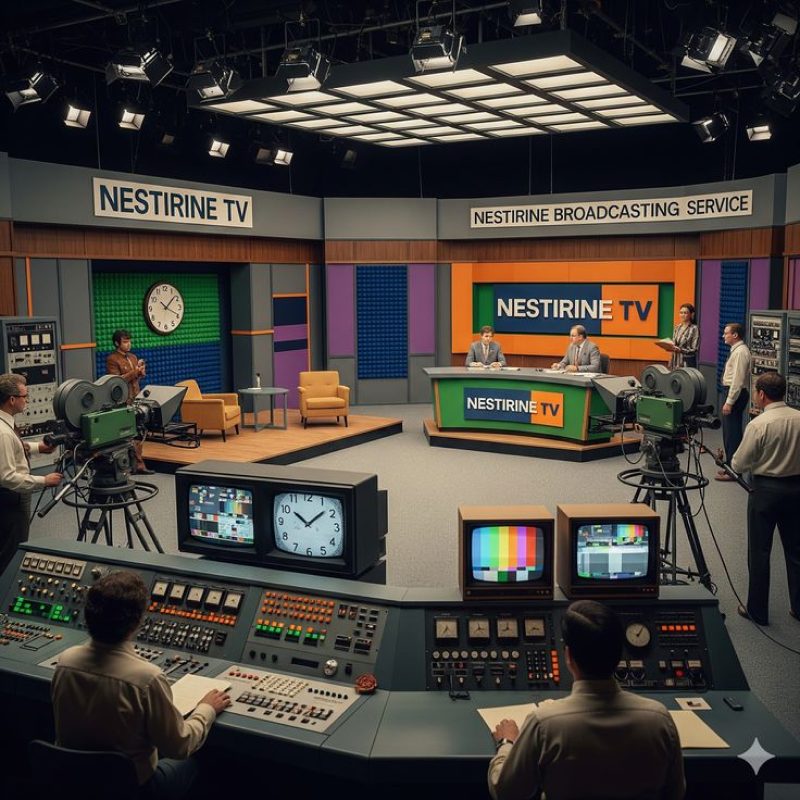
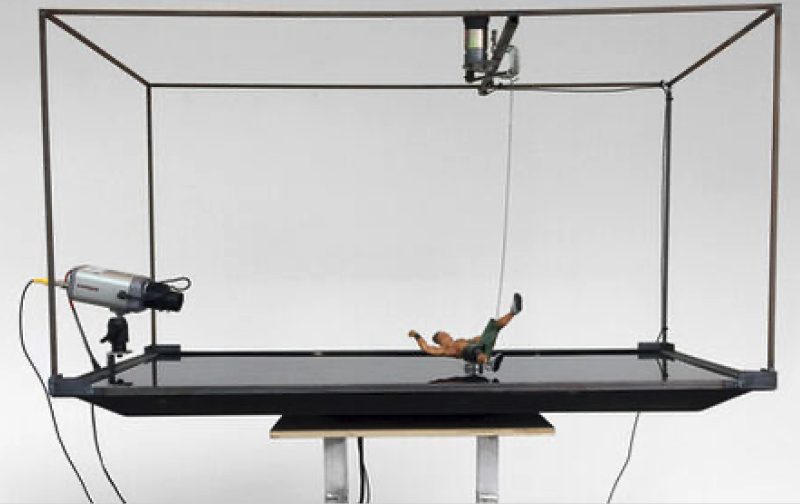
- 01The Switchboard · 1878The first exchange opens in New Haven; Emma Nutt takes the first operator's seat. Connect fast, stay silent.
- 02The CrewTen hands for one lens. The credit rolls after the picture. The craft was to disappear.
- 03The StudioA room engineered to produce a frame, with a person placed inside it.
- 04The Curator · 2017Taste as a job. Virgil Abloh asked his Harvard GSD audience whether the world needs another chair.
- 05Founder Mode · 2024Paul Graham's essay: the founder runs the system instead of handing it to managers.
- 06New Media OperatorsOurs. One frame, one camera, one room, and a public record of every call.
The loop · one canonical call, from picture to proof
Then repeat. Every signal stores the crowd at the moment it was made. That is what makes the record worth checking.
The plan
- 01One surfaceThe question is the picture. Video, the crowd's YES / NO, chat and the record on one screen, web and iOS.
- 02One canonical callOne scored call per person per question. The first call locks and stores the crowd at that second.
- 03Proof, then rankEvery question resolves with a source. Early, right calls rise; the field record is public.
- 04Operators run roomsHosts mint the questions, bind the stream, resolve with proof. The fans take a seat.
- 05One record, many forksAny vertical can run its own surface on the same record. This season runs on the K-pop award calendar.

Call it first.
Open the boardSources: Jenkins, Textual Poachers (1992); Jenkins, Convergence Culture (2006); Jenkins, Ford, Green, Spreadable Media (2013); Lévy, L’intelligence collective (1994); Maciunas, Fluxus Manifesto (1963); Abloh, Harvard GSD lecture (2017); Graham, Founder Mode (2024). Pictures: Denpa frames and two images from the Denpa lore boards. No human faces, by house rule. Draft two, 2026-11-09.